We specialize in helping enterprise teams evolve their design systems—updating component libraries, refining documentation, and maintaining visual consistency across digital products.

Design System Growth and Documentation Explained
At IRON, we’ve seen it happen time and again. Design systems lose momentum as teams grow and product complexity multiplies. Components get duplicated, naming conventions drift, and updates stop making their way into production. It’s not neglect — it’s the natural strain of scaling across multiple teams and platforms.
That’s where carefully scaling your design system comes in. We help enterprise design systems evolve without breaking. By refining documentation, consolidating reusable components, and introducing UI patterns that align design and development teams, we ensure your system remains consistent while adapting to new products, platforms, and brand expressions.
A well-maintained system doesn’t stand still — it grows with your organization. Our role is to help you scale confidently, keeping your design language unified, your building blocks efficient, and your teams moving faster together.

Governance
& Evolution
As design systems mature, keeping everything organized across multiple teams becomes tougher. We help you refine the structure and documentation that guide how new components, tokens, and updates are added—so your system stays aligned and easy to maintain.

Libraries and UI Design Tools
Scaling a design system often means expanding beyond static libraries. We build, organize, and optimize component libraries and pattern collections that support new products, markets, and platforms — creating a flexible foundation that grows alongside your digital ecosystem.

Enterprise Enablement
True scalability is about people, not just components. We work with design and product teams to streamline onboarding, increase adoption, and ensure your enterprise design system remains a living resource — one that empowers designers, developers, and product managers to move faster together.
Why Scalable Design Frameworks and Design Libraries Matter
A robust design system helps teams deliver consistent user interfaces faster—especially as products, platforms, and markets multiply. But, as organizations grow, maintaining a consistent visual language across products, user interfaces, and channels becomes harder. Scaling your design process isn’t just about adding new components — it’s about evolving your entire system to support multiple teams, technologies, and markets.
At IRON, we help enterprise teams refine and extend their design systems for long-term success. That means optimizing component libraries and pattern libraries, enhancing your design system documentation, and integrating best practices with the right design system tools. Our goal is to ensure designers and developers can build faster, promote design system adoption and reuse, and deliver consistent digital products without reinventing the wheel.
Most organizations already have the building blocks of a design system — style guides, components, and internal workflows — but not always the structure to scale them. By strengthening your design system management approach and empowering teams with the right tools, our goal is to help you transform fragmented assets into a cohesive, efficient, and future-ready ecosystem.
Design Systems That Last
Whether starting fresh or modernizing, we’ll help you build a system for efficiency, consistency, and long-term impact.


What’s Included in Scaling Your Design System
Managing and expanding a design system across multiple teams and products can be complex. But with the right strategy, it becomes a streamlined process that supports growth without creating design debt. At IRON, we collaborate with your internal teams to evolve your design libraries, update component libraries, and strengthen your design documentation so every designer and developer works from a single source of truth.
Our approach focuses on keeping your design language consistent while optimizing design tokens, UI components, and pattern libraries for scalability. Whether you’re introducing new features, integrating with other design system tools, or maintaining multiple platforms, we help you scale efficiently—ensuring your design system remains adaptable, cohesive, and up to date.
Key Focus Areas
-

Managing and Evolving Your System
Scaling a design system requires clear governance and the right design system management tools. We help teams establish decision frameworks, naming conventions, and contribution models.
-

Component Libraries & Reusable Patterns
We expand and refine your component libraries, ensuring reusable components and pattern libraries evolve without redundancy. This process helps design and development teams work faster while maintaining consistency.
-

Design Principles & Documentation
As your system matures, documentation becomes the connective tissue between design and development. We enhance design system documentation, ensuring it clearly expresses your core principles, design principles, and style guides.
-

Design Tokens & Visual Consistency
We update and extend design tokens to support new products and experiences. From color palettes to typography, tokens help maintain consistency across UI elements and streamline workflows between design and engineering.
-

Multi-Team Adoption & Onboarding
Scaling a system means enabling adoption across multiple teams. We create structured onboarding processes and hands-on support that help new contributors use the design elements in the system correctly, ensuring your design system remains cohesive and up to date.
-

Continuous Evolution & Long-Term Maintenance
A robust design system isn’t static—it’s constantly evolving. We partner with your internal teams to plan for long-term updates, new components, and tooling improvements that keep your system flexible as your organization grows.

Why Expanding a Design System Matters
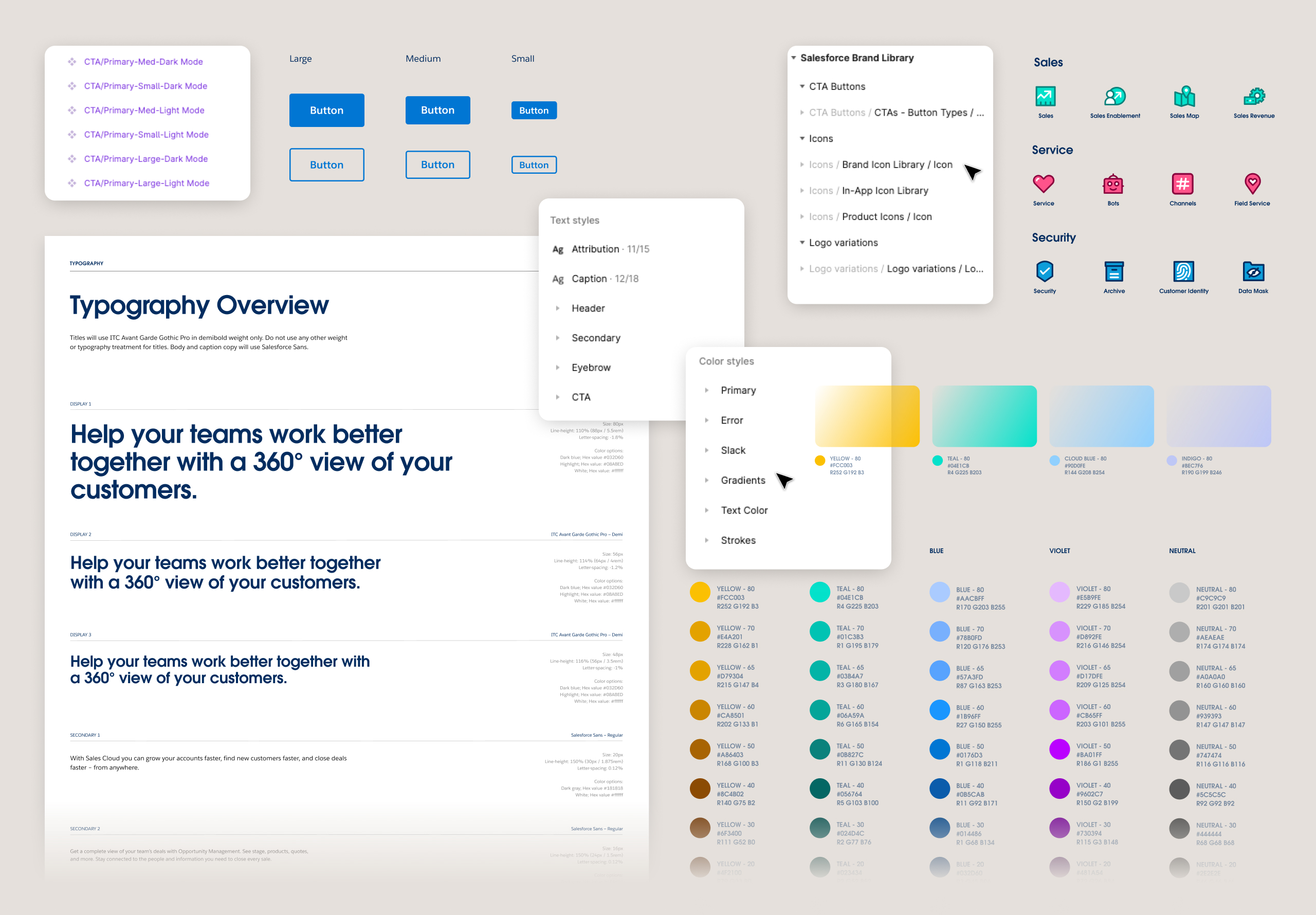
If your organization is growing, your design system needs to grow with it. As new digital products, platforms, and teams emerge, your system must evolve — extending component libraries, updating pattern libraries, and refining design documentation to maintain a consistent visual language and brand identity across every touchpoint.
Without continuous design system management, even the strongest frameworks lose momentum. Reusable components start to break apart, UI elements become outdated, and teams waste time solving the same problems in different ways. That’s why maintaining and scaling a robust design system isn’t just about design — it’s about efficiency, clarity, and long-term consistency across design and development.
Extension That Drives Business Value
A scalable design system extension empowers designers and developers to work in sync. By evolving design tokens, improving style guides, and updating component libraries, enterprises can ensure every release meets brand and usability standards. The result is faster iteration, stronger collaboration across multiple teams, and a system that’s both flexible and future-ready.
How Do You Scale a Design System?
-

Understand Where You Are
Before expanding, it’s important to know what’s working — and what’s holding you back. We look at how your current components, tokens, and pattern libraries perform across your products. This gives a clear picture of how well your design system supports real-world work and where it needs to grow.
-

Add What’s Missing
As teams ship new features or products, gaps start to appear. We help identify what’s missing — new UI components, reusable patterns, or updated styles — and make sure everything fits within the same design system. The goal is to evolve the system, not rebuild it.
-

Improve Documentation
A strong system is only as good as its documentation. We help teams refine their guidelines, style references, and naming conventions so that designers and developers have a single, reliable source of truth. That makes onboarding faster and consistency easier to maintain, fostering a unified language for all team members.
-

Support More Teams
Scaling means more people using — and contributing to — your system. We work with internal design and product teams to define clear processes for adding and updating components — making it easier for everyone to contribute while keeping the system consistent.
-

Keep It Healthy
Design systems aren’t one-and-done projects. We help set up review cycles and maintenance routines so your libraries, tokens, and documentation stay up to date. That way, your dedicated team ensures the system grows alongside your business — without creating unnecessary complexity.

What is a design system extension?
A design system extension is the process of expanding your existing framework—adding new UI components, updating pattern libraries, and refining design documentation to match your current brand identity and tech stack. It ensures your full-fledged design system libraries and visual elements stay aligned as digital products evolve, keeping the entire team working from a consistent source of truth.
How do design systems evolve over time?
Even the most robust design systems need to grow. As digital products scale and development teams add new features, maintaining standardized components and style guides becomes critical. Ongoing design system efforts help ensure consistency across multiple teams and allow designers to utilize their own components while developers seamlessly switch between projects without duplicating work.
Why is Figma the best design system tool?
For most enterprise teams, Figma has become the central hub for design system management. It combines real-time collaboration, scalable design libraries, and powerful version control in one place. Because designers, developers, and product managers can work in the same file, Figma makes it easier to maintain visual consistency, update UI elements, and keep every contributor aligned. Its open ecosystem and integration options make it the most flexible and widely adopted platform for managing modern design systems.
Is Google’s Material Design the best basis for a design system?
Google’s Material Design is one of the most influential design frameworks ever created. It’s a valuable reference point — especially for understanding design principles, standardized components, and scalable design documentation. But while it’s an excellent example of how a unified visual language can work, it isn’t a one-size-fits-all solution.
Every brand has its own needs, audience, and product mix. At IRON, we use Material Design — along with systems like IBM’s Carbon and Salesforce’s Lightning — as inspiration, not a template. The strongest enterprise design systems are built from the ground up, rooted in each company’s own brand identity, design libraries, and customer experience goals.
What are pattern libraries?
Pattern libraries are curated collections of reusable interface elements — things like buttons, cards, and form layouts — that show how design components work together. They sit alongside your design libraries and documentation to give design and development teams a shared visual language. A well-maintained pattern library helps teams streamline workflows, ensure consistent components, and reduce duplicate work across digital products.
How do you maintain consistency as new teams join?
We help design and development teams build governance models and contribution processes that make it easy to add new components or update existing ones. Clear documentation and strong design guidelines allow different teams and external partners to collaborate while maintaining consistent components and a unified visual language across all digital products.
What role do design principles play in scalability?
Design principles act as the foundation for every decision—shaping how reusable components, UI elements, and design libraries work together. They guide system growth so that each update feels intentional rather than reactive, keeping the design system cohesive as products and platforms expand.
Why invest in design system documentation?
Comprehensive design system documentation saves time and reduces errors by giving designers, developers, and product managers a clear reference for how to use the same components and visual elements consistently. It also supports onboarding processes for new team members and provides essential development resources, building long-term commitment to maintaining a healthy, scalable system.
Industry Examples and Best Practices
Leading enterprise systems such as Google’s Material Design, IBM’s Carbon, and Salesforce’s Lightning demonstrate how consistent components, robust design documentation, and integrated development tools keep design frameworks healthy at scale. We draw on those same best practices to help clients maintain standardized components and clear design libraries across products and platforms.
Conclusion: Streamlining Workflows and Sustaining a Unified Framework
A well-managed design system isn’t just a library of components — it’s the connective tissue that keeps your digital products consistent, efficient, and on brand. When design and development teams align around shared principles and standardized components, workflows streamline naturally. The result is faster delivery, fewer inconsistencies, and a stronger visual language across every experience.
At IRON, we help enterprises turn their design system efforts into lasting frameworks. By combining design efforts, design system tools, documentation, and scalable processes, we support internal teams and external partners with the design resources and development guidance they need to keep systems evolving smoothly. It’s a long-term commitment — one built on consistent components, clear governance, and a unified approach that grows with your organization.


“IRON Creative consistently delivers innovation, strategic leadership, and peerless execution at an impressive scale.”
Let’s Talk
Whether you’re expanding your current design system or building a new one, we can help you strengthen your foundation and scale with confidence. Let’s start a conversation about how IRON can help your teams work faster, stay aligned, and create design systems that stand the test of time.
Drop us a line.
Contact Us120 2nd St. Floor 3,
San Francisco, CA 94105